
Pine Wood vs Marandi Wood: Which Timber Is Best for Your Construction Needs?
Choosing the right type of timber is a critical decision in any construction or interior project. The durability, strength, appearance, and cost of wood can significantly influence the performance and lifespan of a structure. Among the commonly used timber types, Pine Wood and Marandi Wood are popular choices, each offering distinct advantages. Understanding their differences can help you select the timber that best suits your construction needs.
Overview of Pine Wood
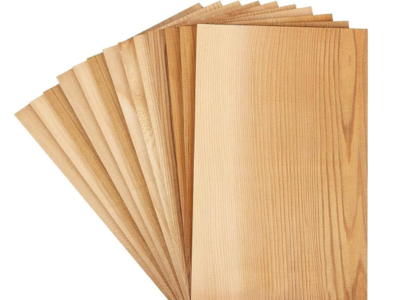
Pine wood is a widely used softwood known for its lightweight nature, smooth texture, and excellent workability. It is easy to cut, shape, and install, making it a preferred choice for furniture, interior applications, paneling, packaging, and light construction work. Pine wood has a uniform grain and natural finish, which makes it suitable for painting, polishing, and various design treatments.
In addition, pine wood is cost-effective and readily available, making it ideal for projects where budget and ease of installation are key considerations. When properly seasoned and treated, pine wood offers good dimensional stability and reliable performance for non-heavy-duty applications.
Overview of Marandi Wood
Marandi wood is a hardwood known for its high strength, density, and durability. It is commonly used in heavy construction, door and window frames, beams, and structural applications where load-bearing capacity is essential. Marandi wood performs well in demanding conditions due to its natural resistance to moisture, wear, and pests.
Because of its dense structure, marandi wood offers excellent longevity and stability. Although it is heavier and more expensive than pine wood, its durability and strength make it a preferred choice for projects that require long-term performance and minimal maintenance.
Strength and Durability Comparison
When it comes to strength, marandi wood clearly outperforms pine wood. Its hardwood properties make it suitable for structural and high-stress applications. Pine wood, while strong enough for general use, is better suited for lightweight and interior purposes rather than heavy load-bearing structures.
Cost and Workability
Pine wood is more affordable and easier to work with, reducing labor time and installation costs. Marandi wood, on the other hand, requires more effort in processing due to its hardness, but this results in superior durability and strength.
Application-Based Selection
-
Choose Pine Wood for furniture, interior paneling, decorative work, packaging, and projects where cost efficiency and ease of handling are important.
-
Choose Marandi Wood for door frames, window frames, beams, structural supports, and applications that demand strength, durability, and resistance to environmental stress.
Conclusion
Both pine wood and marandi wood have their unique advantages, and the best choice depends on your specific construction needs. Pine wood is ideal for lightweight, budget-friendly, and design-focused applications, while marandi wood is the right option for heavy-duty, structural, and long-term use. By selecting the appropriate timber, you ensure better performance, durability, and value for your construction project.